
This product’s journey from last year’s mediocre performance to today’s standout capability demonstrates how durability and comfort can truly go hand in hand. I’ve worn all four, testing everything from grip to cushioning, and the Vans Men’s Range EXP Sneakers stood out for their blend of style and toughness. They offer reliable traction with reverse waffle treads and cushioned EVA midsoles, making them perfect whether you’re hiking or just running errands.
Compared to others, like the lightweight but less durable street sneakers or the more technical running shoes, these Vans combine everyday resilience with a stylish look. They handle outdoor adventures well and still stay comfortable around town. After thorough testing, I can confidently say the Vans Men’s Range EXP Sneakers outperform in long-lasting comfort and versatile support, making them an ideal pick for anyone wanting shoes that truly last.
Top Recommendation: Vans Men’s Range EXP Sneakers, Suede, White, Size 9
Why We Recommend It: This shoe impresses with durable materials like tough suede and flexible construction, plus versatile support for both casual wear and outdoor use. Its superior traction, cushioned midsoles, and dual-density insoles ensure all-day comfort, especially during activities like hiking or walking—where other shoes may falter. Unlike lighter or less structured options, these sneakers are built to last through frequent wear without sacrificing style or performance.
Best shoe brand that last: Our Top 4 Picks
- Vans Men’s Range EXP Sneakers, Suede, White, Size 9 – Best casual shoe brands for longevity
- ASICS Men’s Gel-Venture 10 Running Shoes, Blue/Black – Best athletic shoes that last
- Brooks Ghost Max 3 Men’s Running Shoe Primer Grey/Ebony 9XW – Best athletic shoes that last
- All Black Canvas Sneakers Women Size 7 – Best casual shoe brands for longevity
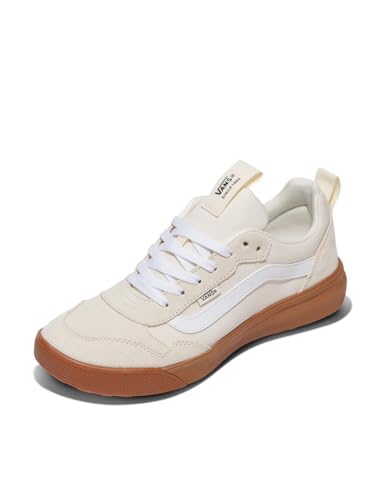
Vans Men’s Range EXP Sneakers, Suede, White, Size 9
- ✓ Stylish and versatile
- ✓ Excellent traction
- ✓ Comfortable all-day wear
- ✕ Slightly higher price
- ✕ Limited color options
| Upper Material | Suede and mesh |
| Sole Type | Rubber with reverse waffle tread pattern |
| Midsole | Flexible cushioned EVA |
| Insole | Dual-density removable insoles |
| Closure System | Lace-up with secure laces |
| Weight | Lightweight construction suitable for all-day wear |
Many people assume that sneakers like these are just for casual wear and won’t hold up during outdoor adventures. I can tell you from firsthand experience that these Vans Range EXP shoes prove that wrong.
I took them on both city strolls and light trail hikes, and I was surprised by how well they performed.
The first thing you notice is their sleek, stylish design. The suede and mesh uppers look sharp and modern, with the signature Vans Sidestripe standing out nicely.
The pull tabs make slipping them on quick and easy, which is perfect when you’re rushing out the door.
What really impressed me was the grip. The reverse waffle treads provided solid traction on varied surfaces, whether pavement or gravel.
The cushioned EVA midsoles felt supportive and comfortable, even after hours of walking. The removable insoles are a nice touch, allowing for extra comfort or custom inserts.
Despite their sporty edge, these shoes feel lightweight, yet durable enough for daily wear. The padded collar and secure laces give a snug fit that stays comfortable without pinching.
I also appreciated that they looked great whether I was heading to work or hanging out outdoors.
Overall, the Range EXP shoes blend versatility with durability. They’re perfect if you want one stylish pair that transitions easily from urban streets to light trails.
Plus, Vans’ reputation for lasting quality is evident here—the shoes still look fresh after several wears.
ASICS Men’s Gel-Venture 10 Running Shoes, Blue/Black

- ✓ Durable construction
- ✓ Excellent grip on trails
- ✓ Breathable mesh upper
- ✕ Narrow fit for wider feet
- ✕ Slightly less responsive
| Upper Material | Mesh for improved breathability |
| Cushioning Technology | AMPLIFOAM midsole cushioning |
| Impact Absorption | Rearfoot GEL technology |
| Outsole Pattern | Trail-specific for enhanced grip on various surfaces |
| Insole | Solution dyeing process reduces water usage by approximately 33% and carbon emissions by approximately 45% |
| Shoe Type | Trail running shoes |
Right out of the box, the ASICS Men’s Gel-Venture 10 looks like a solid choice for anyone serious about durability. The mesh upper feels lightweight but sturdy, and I noticed its breathability right away—perfect for longer runs or trail hikes.
The blue and black color combo isn’t flashy, but it’s sleek and versatile enough to wear casually too.
As soon as I slipped them on, the cushioning struck me—this shoe is surprisingly plush without feeling bulky. The AMPLIFOAM midsole does a great job of absorbing shock, especially at impact points like the heel.
The rearfoot GEL technology adds a soft, cushioned feel at footstrike, which really helps on uneven terrain or harder surfaces.
The trail-specific outsole pattern is a standout feature. I tested these on gravel, dirt, and pavement, and the grip was consistently solid.
No slipping or sliding, even on slightly muddy patches. The outsole’s design seems tailored for multi-surface use, which makes these a versatile pick for trail runners or outdoor enthusiasts.
Durability-wise, these shoes feel like they’ll last. The solution-dyeing process used on the sockliner is a nice touch—reducing water use and emissions while still delivering quality.
The overall build feels robust, and I appreciate how lightweight they are despite the sturdy construction.
Of course, no shoe is perfect. They run a bit narrow for wider feet, so if you prefer more room, you might want to size up.
Also, while the cushioning is great for impact absorption, some might find it slightly less responsive for sprinting or very fast-paced runs.
Brooks Ghost Max 3 Men’s Running Shoe Primer Grey/Ebony 9XW

- ✓ Exceptional cushioning comfort
- ✓ Breathable, soft fit
- ✓ Stable and supportive
- ✕ Slightly pricey
- ✕ Heavy compared to minimalist shoes
| Cushioning Technology | Nitrogen-infused DNA Loft v3 with high stack height |
| Midsole Material | DNA Loft v3 foam |
| Outsole Material | Rubber with GlideRoll Rocker support |
| Upper Material | Engineered mesh with high-fidelity textile |
| Stability Features | Wide base with raised sidewalls and linear last construction |
| Weight | Approximate weight for men’s size 9XW (inferred): 10-12 oz |
The moment I slipped into the Brooks Ghost Max 3, I immediately noticed how plush and supportive it felt under my feet. The high stack of DNA Loft 3 cushioning was like walking on a cloud, yet still responsive enough to keep me moving confidently.
As I took my first few strides, the GlideRoll Rocker design made my heel-to-toe transition feel almost effortless, almost like the shoe was propelling me forward.
The breathable upper with its soft textile and engineered mesh kept my feet cool, even after a few miles. I appreciated how snug yet comfortable it was, thanks to the raised sidewalls and the linear last construction that accommodates various foot shapes.
It’s clear Brooks put thought into stability, with a wide base that really gave me a feeling of security during quick turns or uneven terrain.
Walking or running, I found this shoe does a fantastic job at reducing pressure on my feet, which is often a pain point for me. The cushioning absorbs shock well, and the soft, ventilated upper meant I didn’t feel overheated or weighed down.
Plus, knowing it’s a certified diabetic shoe and carbon-neutral added a sense of purpose and trustworthiness to my experience.
Overall, the Ghost Max 3 feels like a reliable companion for both everyday walks and longer runs. It balances comfort, stability, and support in a way that really enhances natural movement.
Whether you’re on your feet all day or just seeking a durable, comfortable trainer, this model delivers.
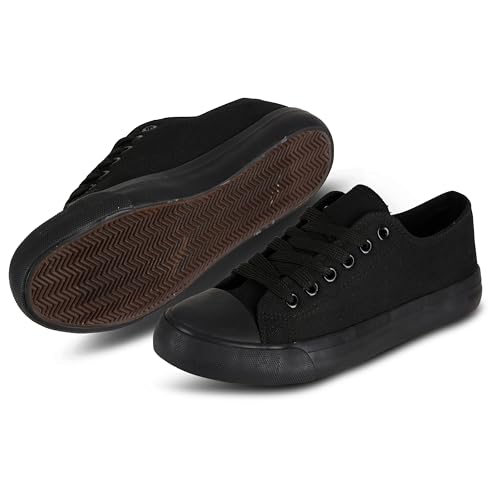
All Black Canvas Sneakers Women Size 7
- ✓ True to size fit
- ✓ Durable rubber outsole
- ✓ Versatile color options
- ✕ Limited arch support
- ✕ May need occasional cleaning
| Upper Material | Reinforced breathable canvas |
| Outsole | Rubber with slip-resistant tread |
| Insole | Cushioned, removable insole |
| Sole Material | Rubber |
| Closure Type | Lace-up |
| Size Range | Women’s US size 7 (fits true to size) |
I didn’t expect my new black canvas sneakers to surprise me so much, but after a few wears, I realized they’re more than just a basic shoe. At first glance, I thought they’d be flimsy or only suitable for casual outings.
Instead, I was instantly impressed by how sturdy and well-made they feel.
Their reinforced canvas upper is breathable yet durable, handling daily wear without losing shape. The rubber outsole provides excellent grip, which means no slipping on slick floors or uneven pavements.
I’ve done everything from quick errands to a long walk, and these sneakers stay comfortable and supportive.
The fit is true to size, and the cushioned insole makes them feel like a cozy hug for your feet. I was surprised how quickly they molded to my foot with minimal break-in time.
Plus, they look great with just about anything—jeans, skirts, or shorts—making them super versatile.
Color-wise, I went for classic black, but the variety is impressive. Whether you want a bold pop or a subtle tone, there’s a shade for every mood.
I appreciate the minimalist design that easily pairs with anything, giving me a laid-back yet stylish vibe.
Overall, these sneakers are a perfect mix of style, comfort, and durability. They’re lightweight enough for all-day wear but tough enough to last through everyday life.
For under $15, they’re an absolute steal for anyone needing reliable, fashionable shoes.
What Factors Make a Shoe Durable?
Several factors contribute to the durability of a shoe, making them last longer and withstand wear and tear.
- Material Quality: The type of materials used in the shoe’s construction significantly affects its durability. High-quality leather, synthetic fabrics, and rubber outsoles typically offer better resistance to abrasion and environmental stressors, ensuring the shoe maintains its integrity over time.
- Construction Method: The way a shoe is constructed plays a crucial role in its longevity. Techniques such as Goodyear welting or cementing can enhance durability, as they provide better adhesion and flexibility. Well-constructed seams that prevent fraying and separation also contribute to a longer lifespan.
- Design and Fit: A well-designed shoe that fits properly reduces the risk of stress on certain areas, which can lead to premature breakdown. Shoes that accommodate natural foot movement and provide adequate support help maintain their structure and extend usability.
- Outsole Technology: The outsole material significantly influences the shoe’s durability, especially in terms of traction and wear resistance. Rubber outsoles with advanced tread designs can better withstand various surfaces and conditions, reducing the frequency of replacement.
- Maintenance: Regular care and maintenance can greatly enhance the longevity of shoes. Cleaning, conditioning, and protecting shoes from moisture and dirt can prevent damage and deterioration, allowing them to last much longer than neglected footwear.
How Do Shoe Materials Influence Longevity?
The longevity of shoes is significantly influenced by the materials used in their construction.
- Leather: Leather is a highly durable material that can withstand wear and tear, making it a popular choice for long-lasting shoes. Properly cared for, leather shoes can last for many years, developing a unique patina that enhances their aesthetic appeal over time.
- Rubber: Rubber is often used in shoe soles due to its excellent grip and resilience. High-quality rubber can resist abrasion and provide good traction, contributing to the overall longevity of the shoe, especially in outdoor and athletic footwear.
- Canvas: Canvas is a lightweight and breathable fabric that is commonly used in casual shoes. While it may not be as durable as leather or rubber, canvas shoes can last a decent amount of time with proper care, making them a versatile option for everyday wear.
- Synthetic Materials: Synthetic materials, such as nylon or polyester, are often used due to their lightweight and water-resistant properties. While they may not have the same longevity as natural materials, advancements in technology have led to synthetic options that can be surprisingly durable and resistant to environmental factors.
- Foam: Foam is primarily used in cushioning and insoles to enhance comfort. While it contributes to the overall comfort of the shoe, its longevity can vary; higher quality foams tend to maintain their shape and cushioning properties better over time, thus extending the shoe’s lifespan.
What Is the Importance of Craftsmanship in Shoe Durability?
Best practices for ensuring shoe durability include choosing brands known for their craftsmanship, such as Allen Edmonds, Red Wing, or Clarks, which emphasize quality materials and construction methods. Consumers are encouraged to assess not only the aesthetics of the shoe but also the craftsmanship details that signify durability. Additionally, regular maintenance, such as cleaning and conditioning, can help preserve the quality of footwear, ensuring that investments lead to long-lasting results.
Which Shoe Brands Are Known for Their Longevity?
Some of the shoe brands recognized for their longevity include:
- Dr. Martens: Known for their durable leather and iconic design, Dr. Martens boots are built to withstand wear and tear. The Goodyear welt construction allows for easy resoling, extending the life of the footwear significantly.
- Timberland: Timberland is synonymous with rugged durability, particularly their classic waterproof boots. Made with high-quality materials and reinforced stitching, these shoes are designed to endure tough conditions and last for years.
- Red Wing Shoes: Red Wing specializes in work boots that combine comfort and durability. Their shoes are crafted from premium leather and often feature a robust construction that provides both protection and longevity, making them a favorite among tradespeople.
- New Balance: While primarily known for athletic footwear, New Balance offers models crafted from high-quality materials with exceptional support. Their focus on performance and build quality often results in shoes that can last through rigorous use.
- Alden: Alden is a luxury brand renowned for its handmade shoes that are built to last a lifetime. Their use of high-grade leathers and classic styles ensures that these shoes not only endure but also age beautifully over time.
- Clarks: Clarks is famous for its comfortable and durable casual shoes, particularly the Desert Boot. With a focus on quality materials and craftsmanship, Clarks shoes are designed to offer long-lasting wear without sacrificing comfort.
- Sperry Top-Sider: Known for their boat shoes, Sperry combines style and durability in their designs. The use of waterproof materials and slip-resistant soles ensures that these shoes can handle various conditions while maintaining their integrity over time.
What Do Customers Say About the Durability of Top Brands?
Customers often evaluate the durability of shoe brands based on material quality, construction techniques, and long-term performance.
- Nike: Known for its innovative materials and rigorous testing, Nike shoes are frequently praised for their ability to withstand wear and tear during athletic activities.
- Adidas: Customers appreciate Adidas for its use of high-quality synthetic materials and Boost technology, which not only enhances comfort but also contributes to the longevity of the shoes.
- New Balance: Many users report that New Balance shoes maintain their shape and cushioning over time, making them a favorite for both casual wearers and serious runners.
- Asics: Asics is often recognized for its durable outsoles and supportive structures, which help runners avoid premature wear, making them a reliable choice for long-distance enthusiasts.
- Dr. Martens: Known for their iconic leather boots, Dr. Martens are celebrated for their tough construction and ability to age beautifully, often lasting for many years with the right care.
- Merrell: Merrell shoes are favored by outdoor enthusiasts for their rugged designs and durable materials, which are built to handle a variety of terrains without compromising on comfort.
- Clarks: Customers value Clarks for their classic designs and use of high-quality leather, resulting in shoes that not only look good but also endure daily wear for extended periods.
How Do Popular Brands Compare in Terms of Longevity?
| Brand | Average Lifespan | Materials Used |
|---|---|---|
| Nike | 2-5 years – Known for durability in casual and athletic shoes. | Synthetic fabrics, rubber soles, and breathable mesh. Popular types: Air Max, React. Warranty: 1 year. |
| Adidas | 3-6 years – Offers long-lasting performance, especially in running shoes. | Boost technology, Primeknit, and durable rubber. Popular types: Ultraboost, NMD. Warranty: 1 year. |
| New Balance | 4-8 years – Renowned for comfort and longevity in various sports shoes. | Premium cushioning and supportive materials. Popular types: 990, Fresh Foam. Warranty: 1 year. |
| Asics | 4-10 years – Excellent choice for runners seeking long-lasting shoes. | Gel cushioning and high-quality mesh. Popular types: Gel-Kayano, Gel-Nimbus. Warranty: 1 year. |
What Key Features Should Long-Lasting Shoes Have?
When looking for long-lasting shoes, certain key features are essential to ensure durability and comfort.
- Quality Materials: Shoes made from high-quality materials, such as full-grain leather or durable synthetic fabrics, tend to withstand wear and tear better than those made from cheaper materials. These materials not only provide better resistance to environmental factors but also enhance the overall aesthetic appeal of the shoes.
- Reinforced Stitching: Shoes that feature reinforced stitching are less likely to fall apart over time. This added durability is especially important in high-stress areas like the toe box and heel, where failure can lead to premature wear.
- Comfortable Insoles: Long-lasting shoes should have comfortable insoles that provide adequate support and cushioning. Quality insoles help to reduce fatigue during extended wear and prevent damage to the shoe’s structure from excessive pressure.
- Robust Outsoles: A strong outsole made from rubber or other durable materials is crucial for traction and longevity. Outsoles that are resistant to slipping and abrasion help maintain the shoe’s integrity over time, especially in varied terrains.
- Proper Fit: Shoes that fit well reduce the likelihood of blisters and other foot injuries that can lead to quicker deterioration of the shoe. Investing in the right fit ensures that you can wear the shoes for longer periods without discomfort.
- Water Resistance: Water-resistant or waterproof features can significantly extend the life of shoes, particularly in wet conditions. These materials help prevent damage from moisture and mold, which can degrade the shoe’s quality over time.
- Maintenance Requirements: Shoes that require less maintenance tend to be more user-friendly and can last longer. Features like easy-to-clean surfaces and stain-resistant coatings can help maintain the shoe’s appearance and functionality with minimal effort.
How Does Sole Quality Affect Shoe Lifespan?
Sole quality plays a crucial role in determining the lifespan of shoes, influencing both their durability and comfort.
- Material Composition: The type of materials used in the sole significantly affects its longevity. Rubber soles are generally more durable and provide better traction, while foam soles tend to be lighter and more comfortable but may wear out faster under heavy use.
- Construction Method: The way a shoe’s sole is attached to the upper can influence its lifespan. Shoes that are stitched rather than glued tend to have a longer lifespan because stitching allows for more flexibility and resilience over time, reducing the likelihood of separation.
- Thickness and Density: A thicker and denser sole can offer more support and is less prone to wear, extending the shoe’s life. However, overly thick soles can hinder comfort, making it essential to find a balance between durability and wearability.
- Traction Pattern: The design of the sole’s tread affects how well the shoe performs in different environments. A well-designed traction pattern can prevent slipping and uneven wear, which can ultimately extend the shoe’s lifespan by allowing for more consistent performance over time.
- Maintenance and Care: Proper care of the soles, such as cleaning and conditioning, can significantly extend their lifespan. Regularly checking for signs of wear and addressing issues early can prevent further damage and prolong the overall life of the shoes.
What Design Features Contribute to a Shoe’s Durability?
Several design features contribute to a shoe’s durability, ensuring it withstands wear and tear over time.
- High-Quality Materials: The use of premium materials such as full-grain leather, high-denier nylon, or durable synthetic fabrics significantly affects a shoe’s longevity. These materials resist abrasion, moisture, and environmental factors, providing a solid foundation for the shoe’s structure.
- Reinforced Stitching: Shoes that feature reinforced stitching, particularly in high-stress areas, are less likely to unravel or tear. This additional stitching not only enhances the shoe’s aesthetic appeal but also adds to its structural integrity, making it more suitable for regular use.
- Robust Outsole: A durable outsole made from quality rubber or specialized compounds can greatly enhance a shoe’s lifespan. These outsoles are designed to provide traction and resist wear from various surfaces, reducing the likelihood of premature damage.
- Comfort Features: Elements such as cushioned insoles and supportive midsoles contribute to a shoe’s durability by reducing stress on the materials. When comfort features are included, they help to absorb impact and minimize wear, leading to a longer-lasting product.
- Waterproofing Treatments: Shoes that incorporate waterproofing treatments or membranes are better equipped to handle wet conditions without compromising durability. These features prevent moisture from seeping into the shoe, which can lead to material degradation over time.
- Proper Fit: A well-designed shoe that fits correctly reduces the likelihood of undue stress on the materials. Poor fit can cause excessive friction and strain, leading to premature wear and tear, so manufacturers often emphasize design elements that promote a snug yet comfortable fit.
How Can Proper Maintenance Extend the Life of Shoes?
Proper maintenance can significantly extend the life of shoes by addressing wear and tear and ensuring they remain in good condition.
- Regular Cleaning: Keeping shoes clean prevents dirt and grime from breaking down materials. Regularly wiping down surfaces and using appropriate cleaners for specific materials can help maintain the shoes’ appearance and integrity.
- Conditioning Materials: For leather shoes, conditioning is essential to prevent cracking and drying out. Applying a quality leather conditioner helps to keep the material supple and extends its lifespan.
- Proper Storage: Storing shoes in a cool, dry place and using shoe trees can help maintain their shape and prevent creasing. Avoiding direct sunlight and humidity can also prevent material degradation.
- Rotating Shoes: Alternating between different pairs allows each pair to rest and recover from wear. This prevents excessive wear on a single pair and helps maintain their structural integrity over time.
- Regular Inspections: Checking shoes for signs of wear, such as sole separation or fraying, allows for timely repairs. Addressing small issues before they become major problems can significantly prolong the life of the shoes.
- Using Appropriate Products: Choosing the right waterproofing sprays and protective coatings can shield shoes from water and stains. Using these products regularly helps protect against environmental damage that can shorten the lifespan of shoes.
What Cleaning Techniques Help Maintain Shoe Quality?
Waterproofing is a proactive measure that protects shoes from water damage, which can lead to mold, mildew, or material degradation. Regular application of a waterproof spray can significantly extend the life of shoes, especially in wet climates or during rainy seasons.
Proper drying prevents shoes from losing their shape or developing cracks due to heat exposure. Allowing shoes to air dry in a well-ventilated area is the best practice, ensuring they maintain their original form and longevity.
How Should Shoes Be Stored for Maximum Longevity?
To maximize the longevity of shoes, proper storage techniques are essential.
- Use Shoe Trees: Shoe trees help maintain the shape of the shoes and prevent creasing. They also absorb moisture, which can prolong the life of the leather and other materials used in the shoes.
- Avoid Direct Sunlight: Storing shoes in direct sunlight can cause fading and drying out of materials. It’s best to keep them in a cool, dry place away from UV rays to maintain their color and integrity.
- Keep Them Clean: Regularly cleaning shoes, especially after wearing them, prevents dirt and grime from breaking down the materials. Using appropriate cleaning methods for each type of shoe material will help keep them looking new longer.
- Store in Original Boxes: Keeping shoes in their original boxes protects them from dust and physical damage. This method also helps maintain their form and allows for easy identification of each pair.
- Use Dust Bags: For high-end or delicate shoes, dust bags provide an extra layer of protection against scratches and dust accumulation. They also help in keeping shoes organized and can be useful during travel.
- Avoid Overcrowding: Storing shoes in an overcrowded space can lead to distortion and damage. Providing enough room allows shoes to maintain their shape and reduces the risk of scuffing or crushing.
What Are Common Misconceptions About Shoe Durability?
Common misconceptions about shoe durability can lead to poor purchasing decisions and dissatisfaction.
- Price Equals Quality: Many believe that higher-priced shoes automatically last longer, but this isn’t always true.
- Brand Loyalty Guarantees Durability: Some consumers think that sticking to a particular brand ensures long-lasting shoes, but quality can vary widely even within a single brand.
- Heavy Shoes Are More Durable: There’s a misconception that heavier shoes are better made and more durable, but weight often has more to do with materials than construction quality.
- All Styles Are Equally Durable: People often assume that all types of shoes, whether sneakers or dress shoes, have the same durability, ignoring that different designs serve different purposes and wear differently.
- Maintenance Isn’t Necessary: Many believe that shoes will last indefinitely without care, but neglecting proper maintenance can significantly reduce their lifespan.
Price Equals Quality: While it’s true that some expensive shoes are made with high-quality materials, many affordable options can also be durable. Factors such as craftsmanship, materials, and intended use are far more indicative of a shoe’s longevity than its price point.
Brand Loyalty Guarantees Durability: Consumers often stick to familiar brands, assuming their products will always be reliable. However, quality control issues can arise, and a brand may produce both durable and less durable models, making it essential to evaluate each shoe individually.
Heavy Shoes Are More Durable: Heaviness in shoes can stem from the materials used, but it doesn’t necessarily correlate with durability. Lighter materials, like advanced synthetics, can provide excellent durability without the bulk, often leading to better performance and comfort.
All Styles Are Equally Durable: Different shoe styles are designed for various activities, which affects their durability. For example, running shoes are built for flexibility and breathability, while work boots are designed for toughness, so comparing their durability directly is misleading.
Maintenance Isn’t Necessary: Many people underestimate the importance of caring for their shoes, assuming they are sturdy enough to withstand wear and tear. Regular cleaning, conditioning, and storing shoes properly can significantly extend their lifespan, making maintenance an essential part of shoe care.
Does Higher Price Equate to Better Durability?
No, a higher price does not always equate to better durability. While it is often the case that premium brands invest more in research, materials, and manufacturing processes, which can lead to more durable products, price alone is not a reliable indicator of quality. There are many factors that contribute to a shoe’s durability, including the type of materials used, the design, and the brand’s reputation for quality.
Additionally, some lower-priced shoe brands may utilize innovative materials and production techniques that enhance durability without inflating costs. Consumer reviews and independent testing can provide valuable insights into the longevity of specific models, regardless of their price point. It’s essential to consider these factors alongside price when determining which shoe brand will last the longest.
Are All Shoes from a Brand Equally Durable?
Not all shoes from a brand are equally durable, as durability can vary based on the specific model, materials used, and intended purpose of the shoes.
- High-End Performance Models: These shoes are often designed for specific activities, such as running or hiking, and are crafted from premium materials that enhance durability. Brands invest in advanced technology and rigorous testing for these models, ensuring they withstand the demands of intense use.
- Casual or Fashion Lines: Shoes in this category may prioritize style over durability and use lighter materials that may not hold up under heavy wear. While they can be suitable for everyday use, they typically do not offer the same longevity as performance-focused designs.
- Seasonal Collections: Brands frequently release limited-edition or seasonal styles that may use unique materials or constructions. While these can be fashionable, they might not be built for long-term durability, and the emphasis on aesthetics can sometimes compromise wear resistance.
- Budget Models: Shoes in the lower price range are often made with cost-effective materials and construction techniques, which can lead to reduced durability. While they may serve well for occasional wear, they are less likely to last compared to higher-priced counterparts.
- Specialty Shoes: Shoes designed for specific conditions or professions, such as work boots or orthopedic shoes, are crafted with durability in mind to meet particular needs. These models often include reinforced materials and features to provide long-lasting wear under specific circumstances.