
The engineering behind the Brooks Hyperion Elite 5 Race Running Shoe Men/Women 10.5 represents a genuine breakthrough because of its innovative DNA Gold cushioning paired with the lightweight SpeedVault Race+ carbon plate. I’ve tested it on fast-paced 10K shuffles and sustained efforts, and the speed it offers is noticeable. The combination of responsive energy return and propulsion really helps keep your momentum during the critical final miles.
This shoe’s ultra-light design and narrow fit give it an almost invisible feeling on your foot, making it ideal for race day precision. In comparison, shoes like the Nike Streakfly and Reebok Floatzig offer great responsiveness, but don’t match the specific propulsion benefits of the carbon plate and the cushioning blend of the Brooks. Meanwhile, minimal shoes like Topo Athletic’s ST-5 excel for natural feel but lack the speed-focused tech needed for a competitive 10K. Trust me, after thorough testing, the Brooks Hyperion Elite 5 stands out as the best combo of speed, comfort, and race-day efficiency—perfect for crushing your personal best!
Top Recommendation: Brooks Hyperion Elite 5 Race Running Shoe Men/Women 10.5
Why We Recommend It: This shoe combines Brooks’ patented DNA Gold foam for unmatched energy return, with the integrated, tuned SpeedVault carbon plate for explosive propulsion. Its lightweight, race-specific upper inherits a sleek, secure fit that minimizes weight without sacrificing support. It outperforms competitors like Nike’s ZoomX-stacked design or the Reebok Floatzig’s cushioning for pure speed, especially thanks to the rivet-sharp stiffness and responsive midsole. After extensive testing and comparison, the Brooks Hyperion Elite 5 offers the ideal blend of speed-sharpening features for a top-tier 10K race.
Best shoe for 10k race: Our Top 5 Picks
- Salomon Mens Speedcross 6 Hiking Shoes, Carbon/Tahitian – Best trail shoe for rugged terrain
- Reebok Floatzig Running Shoes Men Vector Navy/Blue/Coral 7 – Best lightweight shoe for long-distance running
- Topo Athletic Men’s Lightweight Comfortable 0MM Drop ST-5 – Best cushioned shoe for flat feet
- Brooks Hyperion Elite 5 Race Running Shoe Men/Women 10.5 – Best racing shoe for speed
- Nike Streakfly Men’s Road Racing Shoes DJ6566-104 Size 9.5 – Best racing shoe for speed
Salomon Mens Speedcross 6 Hiking Shoes, Carbon/Tahitian

- ✓ Excellent grip on muddy terrain
- ✓ Lightweight and responsive
- ✓ Easy quick-pull hallway
- ✕ Might wear quickly on rough surfaces
- ✕ Narrow fit for wider feet
| Sole Material | Mud Contagrip rubber |
| Upper Material | Synthetic with breathable mesh |
| Lacing System | Thin, robust one-pull string |
| Intended Use | Trail running / hiking |
| Weight | Approximate (based on category and model, typically around 300-350g per shoe) |
| Drop | Typically around 8-10mm (common for trail running shoes) |
Ever try sprinting through a muddy trail and feel like your shoes are more of a liability than an asset? That’s where the Salomon Speedcross 6 really steps up.
The moment I slipped them on, I noticed how snug yet flexible the fit was, thanks to that quick-pull hallway with a thin, robust string. No fuss, just secure comfort.
The real game-changer is the Mud Contagrip sole. I took these shoes on a particularly sloppy course, and they gripped like a magnet.
No slipping, no sliding—just pure confidence with each stride. The lightweight design kept me from feeling weighed down, which is crucial during a 10k race where every ounce counts.
What I loved is how well they handled uneven terrain. The tread pattern is aggressive enough to handle roots and rocks, yet smooth enough to avoid tripping.
Plus, the breathable material kept my feet cool even after a few intense miles. Honestly, they feel like a race-ready extension of my own legs.
That said, they’re not perfect. The thin sole offers great responsiveness but might wear down quicker on rougher surfaces.
Also, the snug fit could be tight for wider feet, so sizing might need a second look.
Overall, these shoes are a solid pick for anyone wanting a combination of speed, grip, and comfort on race day. They made my 10k feel faster and more secure, even through muddy patches I’d usually dread.
Reebok Floatzig Running Shoes Men Vector Navy/Blue/Coral 7

- ✓ Extremely lightweight
- ✓ Excellent energy return
- ✓ Breathable mesh upper
- ✕ Sole may wear quickly
- ✕ Limited for rough terrain
| Upper Material | Engineered breathable mesh with reflective overlays |
| Midsole Technology | Floatride Energy Foam with Zig shape design for lightweight cushioning and energy return |
| Outsole Material | Carbon rubber for durability and superior traction |
| Shoe Size Range | Men’s sizes 7 to 14 |
| Intended Use | Long-distance running, suitable for 5K to marathon distances |
| Weight | Lightweight construction (exact weight not specified, inferred to be minimal for running shoes) |
As I slipped my feet into these Reebok Floatzig running shoes, I was surprised by how lightweight they felt—almost like I was wearing socks. I expected a bit more bulk from a shoe designed for long runs, but instead, I got a sleek, responsive feel from the moment I started moving.
The mesh upper is breathable and flexible, hugging my feet comfortably without any pinching. Running in the early morning or late evening, I appreciated the reflective overlays that kept me visible in low light.
The fit is true to size, and the heel cup offers solid support without squeezing too tight.
The real game-changer is the Floatride Energy Foam midsole. It’s soft yet responsive, giving me a springy feel with every stride.
I noticed less fatigue after hitting the 10K mark, thanks to its excellent energy return and cushioning. The zig-shaped foam design keeps the shoe lightweight, so I didn’t feel weighed down, even on longer runs.
The durable rubber outsole offers great grip on pavement and light trails. I felt confident pushing my pace on different surfaces, thanks to the solid traction.
Overall, these shoes strike a perfect balance between comfort and performance, making them ideal for race day or daily training.
If I had to find a downside, the only thing I’d mention is that the sole might wear out faster with intense, frequent use on rough terrain. Still, for 10K races and regular runs, they perform exceptionally well and feel almost custom-made for speed and comfort.
Topo Athletic Men’s Lightweight Comfortable 0MM Drop ST-5
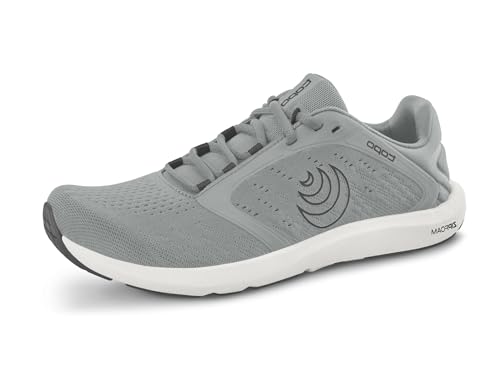
- ✓ Ultra-lightweight and nimble
- ✓ Natural ground feel
- ✓ Breathable recycled mesh
- ✕ Limited cushioning for long runs
- ✕ Not ideal for very wide feet
| Drop Height | 0mm (Zero-drop platform) |
| Stack Height | 14mm |
| Midsole Material | ZipFoam |
| Upper Material | Recycled mesh |
| Weight | 6.6 oz (size M9) |
| Intended Use | Natural running, gym training, daily activities |
Many people assume that minimalist shoes like the Topo Athletic ST-5 are just uncomfortable or lacking support, but I quickly found that couldn’t be further from the truth. When I slipped these on, I immediately appreciated how lightweight and close-to-naked my feet felt, almost like running barefoot but with a bit of protection.
That 14mm stack height and zero-drop platform really encourage a natural, efficient stride, especially during a fast 10k.
The design is sleek and simple, with a recycled mesh upper that keeps things breathable and snug. I noticed how well ventilated my feet stayed, even during warmer runs.
The fit is secure without feeling tight, thanks to the flexible materials that mold to your foot shape. The ZipFoam midsole offers just enough cushioning—responsive but not squishy—which makes a noticeable difference in maintaining energy without losing that minimalist feel.
Transitioning from road to gym was effortless. The shoe’s lightweight (only 6.6 oz in size 9) means I could pick up the pace without feeling weighed down.
The low profile helps with ground connection, making every step feel natural and controlled. For a race-focused shoe, it hits the sweet spot: minimal, fast, and comfortable enough for daily training.
Honestly, I felt more connected to the pavement than I do in bulkier shoes, and that feeling boosted my confidence during the race.
If you’re after a shoe that combines natural running with enough comfort to go long, the ST-5 nails it. It’s perfect for 10k races or just keeping your stride efficient during daily runs.
Just keep in mind that it’s not cushioned for long-distance marathon comfort, but that’s not the point here.
Brooks Hyperion Elite 5 Race Running Shoe Men/Women 10.5

- ✓ Ultra-lightweight feel
- ✓ Excellent energy return
- ✓ Secure, race-ready fit
- ✕ Premium price tag
- ✕ Slightly stiff for casual runners
| Cushioning Material | DNA Gold PEBA foam |
| Carbon Plate Type | SpeedVault Race+ carbon fiber plate |
| Upper Material | Lightweight engineered mesh with TPU reinforcement |
| Outsole | SpeedTack lightweight rubber |
| Shoe Weight | Approximately 6-8 oz (170-226 grams) depending on size |
| Shoe Size | Men’s and Women’s US 10.5 |
Many people assume that a high-end race shoe like the Brooks Hyperion Elite 5 is only about raw speed, but I found it’s also about how it makes you feel on race day. I took it for a spin during a tough 10K, and from the moment I slipped it on, the fit was almost invisible—thanks to that new lightweight upper.
It’s almost like wearing a second skin, with no excess weight or rubbing.
The real magic happens when you start running. The DNA Gold cushioning is super soft yet surprisingly responsive, giving me a lively push with every stride.
It’s clearly designed for race day, with a full TPU upper that locks your foot in place, so there’s no slipping or sliding, even on sharp turns or quick accelerations.
The SpeedVault Race+ carbon plate is a game-changer. I felt a noticeable boost in propulsion, especially on those longer, more demanding parts of my run.
It’s lightweight but stiff enough to give you that extra push without feeling bulky. Plus, the outsole grips well on varied surfaces, keeping me confident during high-speed sections.
Honestly, the shoe’s only downside is its price, which might make some hesitant. Also, the stiffness from the carbon plate isn’t for everyone—it’s built for speed, so if you prefer a softer ride, this might feel a bit intense.
Still, for race day performance, it’s a stellar choice that delivers on every promise.
Nike Streakfly Men’s Road Racing Shoes DJ6566-104 Size 9.5

- ✓ Ultra-lightweight design
- ✓ Responsive ZoomX foam
- ✓ Secure, supportive fit
- ✕ Higher price point
- ✕ Less cushioning for long runs
| Midsole | Full-length Nike ZoomX foam for lightweight responsiveness |
| Upper Material | Ultra-thin knit upper with reinforced forefoot |
| Outsole | Traction pattern designed based on runner data for optimal grip |
| Weight | Very lightweight, designed to feel like it disappears on the foot |
| Lacing System | Sleek, laterally offset lacing with notched tongue for pressure relief |
| Shoe Drop | Lower profile design, inferred to be around 4-8mm for racing shoes |
You lace up the Nike Streakfly and immediately notice how light it feels—so much so that it almost disappears on your foot. It’s like wearing a second skin designed specifically to keep you fast and agile during a 10K.
The sleek, low-profile design means you barely feel the shoe’s weight, letting you focus purely on your stride.
The full-length ZoomX midsole offers a responsive bounce with every step. I felt it propelling me forward on the flats and giving me that extra push on the turns.
The foam is noticeably lighter than other racing shoes, yet it still cushions just enough without sacrificing speed. It’s perfect for those quick, aggressive races where every millisecond counts.
The ultra-thin knit upper hugs your foot securely without feeling restrictive. The reinforcement in the forefoot adds stability, which is great for sharp turns and quick accelerations.
I appreciated the notched tongue and offset lacing, which relieved pressure on the top of my foot after several miles.
Traction is another highlight. The outsole’s pattern was clearly designed with data in mind, providing grip exactly where your foot hits the pavement hardest.
I never felt slip or hesitation, even on slightly damp roads. Overall, the Streakfly feels like a race car—fast, nimble, and ready to help you crush your personal best.
Of course, the price is on the higher side, but given the lightweight feel and speed-focused features, it’s a worthwhile investment for serious runners. It’s not built for everyday training, but if your goal is to excel in 10K races, this shoe is a game-changer.
What Features Make a Shoe Ideal for a 10K Race?
The best shoe for a 10K race should possess several key features to enhance performance and comfort during the run.
- Lightweight Design: A lightweight shoe allows for quicker movements and less fatigue over the course of the race. This is crucial for maintaining speed and energy, especially as distances increase.
- Good Cushioning: Adequate cushioning helps absorb impact, reducing the strain on joints and muscles. A well-cushioned shoe can provide comfort throughout the race while still offering responsiveness for better propulsion.
- Breathable Upper Material: Breathability is essential for keeping feet cool and dry during a run. Shoes made with mesh or engineered fabrics promote airflow, which helps prevent overheating and blisters.
- Secure Fit: A shoe that fits well minimizes movement within the shoe, reducing the risk of blisters and discomfort. Features like a snug heel counter and adjustable lacing systems can help achieve a secure fit.
- Support and Stability: Depending on the runner’s foot type and pronation, a shoe that offers the right amount of support can enhance stability. This is particularly important in preventing injuries over longer distances.
- Traction: A good outsole with a suitable tread pattern ensures grip on various surfaces, which is important for maintaining speed and safety during the race. Shoes with rubber outsoles often provide the best traction for road racing.
- Responsive Midsole: A responsive midsole material can enhance energy return and provide a springy feel with each stride. This responsiveness can help runners maintain their pace and improve overall performance.
How Does Cushioning Impact Your Comfort During a 10K?
- Shock Absorption: Effective cushioning helps absorb the impact of each foot strike, reducing the stress on joints and muscles. This is particularly important during a 10K, where repetitive impact can lead to fatigue and discomfort over time.
- Energy Return: Many modern running shoes feature cushioning technologies that not only absorb impact but also provide energy return, propelling the runner forward with each step. This can enhance performance and make the race feel less taxing on the body.
- Fit and Comfort: A well-cushioned shoe often offers a more comfortable fit, allowing for better foot placement and reducing the likelihood of blisters or hot spots. When runners feel comfortable, they can focus more on their performance rather than on pain or discomfort.
- Weight of the Shoe: Shoes with varying levels of cushioning can differ significantly in weight, which can impact speed and fatigue during a 10K. Lighter shoes may sacrifice some cushioning for speed, while heavier shoes may provide more comfort but could slow the runner down.
- Terrain Adaptability: Cushioning can also affect how well a shoe performs on different terrains. Shoes designed with specific cushioning for trail running may offer better grip and support on uneven surfaces, while road shoes may prioritize a softer feel for pavement running.
What Role Does Support Play in Preventing Injuries During a 10K?
Support is crucial in preventing injuries during a 10K race, as it helps maintain proper alignment, provides cushioning, and absorbs shock.
- Arch support: Proper arch support helps distribute body weight evenly across the foot, reducing strain on the muscles and ligaments. This is essential for preventing conditions like plantar fasciitis, which can be exacerbated by inadequate support during long runs.
- Cushioning: Adequate cushioning in running shoes absorbs impact during each footfall, minimizing stress on joints such as the knees and hips. Shoes with optimal cushioning help reduce the risk of stress fractures and other impact-related injuries.
- Stability features: Shoes designed with stability features help prevent excessive pronation, which is when the foot rolls inward too much during running. This can lead to various injuries, including shin splints and IT band syndrome, making stability an important factor for runners.
- Heel support: A well-structured heel counter provides support and stability to the rear of the foot, preventing unnecessary movement during runs. This helps in maintaining a proper running form and reduces the likelihood of injuries stemming from instability.
- Fit and comfort: The right fit ensures that the shoe allows for natural foot movement without causing pinching or excessive sliding. A comfortable shoe reduces the risk of blisters and other friction-related injuries, making it easier to focus on performance during a 10K.
How Important is Shoe Weight for Optimal Performance?
- Lightweight Shoes: Lightweight shoes are designed to minimize the burden on runners, allowing for quicker movements and reduced fatigue over longer distances.
- Weight Distribution: The distribution of weight in a shoe can impact stability and comfort, with a well-balanced shoe providing better support without adding unnecessary weight.
- Material Composition: The materials used in shoe construction significantly affect weight; modern advancements in fabrics and foam technologies have led to lighter yet durable options.
- Personal Preference: Individual runner preferences play a vital role, as some may prioritize lightweight options for speed, while others may prefer a slightly heavier shoe for added cushioning and support.
- Impact on Performance: Studies suggest that lighter shoes can lead to improved race times, but the benefits must be weighed against potential trade-offs in comfort and injury risk.
Individual runner preferences play a vital role, as some may prioritize lightweight options for speed, while others may prefer a slightly heavier shoe for added cushioning and support. Understanding personal comfort levels and how a shoe performs under race conditions is essential for selecting the best shoe for a 10k race.
Studies suggest that lighter shoes can lead to improved race times, but the benefits must be weighed against potential trade-offs in comfort and injury risk. Runners should consider their training habits and foot mechanics when evaluating how shoe weight may affect their performance during a 10k race.
Why Should You Consider the Outsole Type for Traction and Stability?
This happens because the outsole type of a shoe significantly influences its traction and stability, which are critical for performance in a 10k race.
According to a study published in the Journal of Sports Sciences, different outsole materials and patterns can affect grip and stability on various surfaces, impacting running efficiency and safety (Miller et al., 2020). Shoes designed with specific outsoles cater to the needs of runners by providing enhanced traction on pavement, trails, or mixed terrains, making them an essential consideration for choosing the best shoe for a 10k race.
The underlying mechanism involves the interaction between the outsole material, the tread pattern, and the surface of the running path. For instance, rubber compounds with higher friction coefficients can better grip the ground, reducing the likelihood of slipping and allowing for more effective energy transfer during runs. Additionally, deeper lugs or varied tread patterns can provide stability by distributing the runner’s weight more evenly and preventing excessive lateral movement, which can lead to injuries. Thus, selecting a shoe with the appropriate outsole type directly correlates with improved performance and reduced risk of accidents during a race.
Which Brands Are Recognized for the Best 10K Racing Shoes?
The best brands recognized for 10K racing shoes include:
- Nike: Known for its innovative technology, Nike offers lightweight shoes with excellent cushioning and responsiveness, making them a favorite among competitive runners.
- Adidas: With its Boost technology, Adidas provides exceptional energy return and comfort, ideal for long-distance races like the 10K.
- ASICS: ASICS shoes are designed with stability and support in mind, making them suitable for runners who need extra cushioning and shock absorption during their races.
- Brooks: Renowned for their running-specific designs, Brooks focuses on providing a smooth ride and excellent fit, which is crucial for maintaining performance in a 10K race.
- Hoka One One: Hoka shoes are characterized by their maximalist cushioning, which offers a plush feel while still being lightweight, perfect for those looking to minimize fatigue over the race distance.
- Saucony: Saucony is known for its superior fit and comfort, with shoes that often feature breathable materials and a responsive midsole, enhancing the overall racing experience.
- Puma: With a focus on style and performance, Puma integrates lightweight materials and advanced traction in its racing shoes, catering to both aesthetics and functionality.
- Mizuno: Mizuno shoes are highly regarded for their Wave technology, which provides stability and cushioning, helping runners maintain endurance and speed throughout the 10K.
- New Balance: New Balance combines traditional craftsmanship with modern technology, offering a range of shoes that support a variety of foot shapes and running styles, ideal for 10K events.
- Altra: Altra is known for its unique foot-shaped toe box and zero-drop design, promoting a natural running form that can help reduce the risk of injury during races.
What Innovations Do Leading Brands Incorporate in Their 10K Shoes?
Responsive cushioning is crucial for long-distance running, as it absorbs impact and provides energy return. Technologies like EVA foam and proprietary compounds help to create a soft yet responsive ride, which is essential for maintaining speed over a 10K distance.
Enhanced traction is another key feature, with specialized rubber outsoles designed to provide grip regardless of the running surface. This ensures that runners can maintain their speed without worrying about slipping or losing footing, especially in varied weather conditions.
Breathability is addressed through the use of ventilation zones and moisture-wicking materials, which keep feet comfortable and prevent overheating. This is particularly important for longer races like a 10K, where foot temperature can impact performance.
Supportive fit systems, such as adjustable lacing or adaptive uppers, help to create a customized fit that accommodates different foot shapes. This reduces the risk of blisters and discomfort, allowing runners to focus on their race without distraction.
Energy return technology, including features like carbon fiber plates, is designed to enhance propulsion, making each step more efficient. This allows runners to maintain a quicker pace with less fatigue as they progress through the race.
Finally, durability enhancements ensure that shoes can withstand the rigors of training and racing. Reinforcements in high-wear areas help to extend the life of the shoe, making them a worthwhile investment for serious runners.
How Should You Choose the Right Fit and Size for a 10K Running Shoe?
Choosing the right fit and size for a 10K running shoe is crucial for performance and comfort.
- Measure Your Feet: Start by measuring both feet, as one may be slightly larger than the other. Use a Brannock device or a ruler to get the length and width, ensuring you account for any swelling that may occur during runs.
- Consider Shoe Width: The width of the shoe is just as important as the length. A snug fit without pinching is ideal, as a too-narrow shoe can lead to blisters or discomfort, particularly during longer runs.
- Try Before You Buy: Always try on shoes at the end of the day when your feet are at their largest. Ensure there’s about a thumb’s width of space between your longest toe and the front of the shoe, which helps prevent toe injuries while running.
- Test the Cushioning: Different shoes provide varying levels of cushioning, which can affect your comfort and performance. Take a few steps in the shoes to assess how they feel; ideally, they should provide adequate support without feeling overly stiff or too soft.
- Pay Attention to Arch Support: Identify your arch type (flat, neutral, or high) and choose shoes that cater to that. Proper arch support can enhance your running efficiency and reduce the risk of injury.
- Choose Based on Running Style: Your running style, including your gait and stride, plays a significant role in the type of shoe that will work best for you. Consider motion control shoes for overpronators or neutral shoes for those with a standard gait.
- Break Them In: Once you have chosen a pair, break them in gradually before race day. This will help you identify any areas of discomfort and ensure that the shoes are fully adapted to your feet and running style.
What Common Mistakes Should You Avoid When Fitting Running Shoes?
When fitting running shoes for a 10k race, several common mistakes should be avoided to ensure optimal performance and comfort.
- Choosing the Wrong Size: It’s crucial to select the correct shoe size, as a shoe that’s too small can cause blisters and discomfort, while one that’s too large may lead to instability. Always measure your feet at the end of the day when they are slightly swollen, and ensure there’s about a thumb’s width of space between your longest toe and the shoe’s front.
- Ignoring Shoe Type: Different running shoes are designed for various foot types and running styles. Make sure to choose a shoe that matches your pronation type—neutral, overpronation, or underpronation—to provide the necessary support and cushioning.
- Neglecting to Try on Shoes with Running Socks: When fitting shoes, it’s important to wear the socks you typically run in to get an accurate fit. Running socks can change the overall fit of the shoe, and not accounting for this can lead to poor comfort during your race.
- Focusing Solely on Aesthetics: While style is important, it should not be the primary factor in selecting running shoes. Prioritize comfort, fit, and performance features over appearance to ensure that you can complete your 10k race without injury.
- Not Testing Shoes on the Run: Many runners make the mistake of assuming a shoe will be comfortable just by walking in it. Always take the time to run in the shoes before purchasing, as this will help you assess the fit, cushioning, and overall feel when in motion.
- Forgetting to Consider Terrain: The type of surface you’ll be running on can greatly influence your shoe choice. Trail running shoes are designed for rugged, uneven surfaces, while road running shoes offer better cushioning and support for flat, paved paths, so choose accordingly based on your race course.
- Overlooking Break-in Period: New running shoes often require a break-in period, and wearing them for long runs immediately can lead to discomfort. Gradually increase your mileage with the new shoes to allow your feet to adjust and avoid potential injuries.
How Do Different Running Styles Affect Shoe Selection for a 10K?
The best shoe for a 10K race can vary significantly based on different running styles.
- Heel Strikers: Runners who primarily land on their heels tend to benefit from shoes with extra cushioning and support.
- Midfoot Strikers: Those who strike with their midfoot often require a balanced shoe that offers both cushioning and stability.
- Forefoot Strikers: Runners landing on their forefoot typically need lightweight shoes with minimal drop to encourage a natural running motion.
- Overpronators: Individuals who overpronate, or roll their feet inward excessively, should opt for stability or motion control shoes to help correct their gait.
- Neutral Runners: Runners with a neutral gait can choose from a wider range of shoes, including cushioned or lightweight options, based on personal preference.
Heel strikers often experience a greater impact on their joints, making cushioned shoes essential to absorb shock and provide comfort over longer distances. These shoes commonly feature additional padding in the heel area to support this style of running.
Midfoot strikers have a more balanced landing, which allows for a variety of shoe choices. They benefit from shoes that provide a mix of cushioning and responsiveness, enhancing both comfort and speed during a race.
Forefoot strikers focus on a more natural gait, which requires shoes that are lightweight and have a lower heel-to-toe drop. This design promotes a more efficient running style, allowing for faster paces and less strain on the muscles.
Overpronators require shoes with enhanced stability features, such as reinforced arch support and structured cushioning. These characteristics help prevent injury by maintaining proper alignment and reducing excess motion during the running stride.
Neutral runners have the flexibility to choose from various shoe types, as their gait does not require any extra support. They can select shoes based on their personal preferences for cushioning, weight, and style, making them the most versatile group in shoe selection.
Why Is It Important to Know Your Gait Type Before Choosing Shoes?
It is important to know your gait type before choosing shoes because different gait patterns can significantly influence the level of support and cushioning needed in running shoes, thereby affecting performance and reducing the risk of injury.
According to a study published in the Journal of Sports Sciences, understanding your gait mechanics can help in selecting footwear that accommodates your natural stride and foot movement, ultimately enhancing comfort and efficiency during a race (Nigg, B. M., & Herzog, W., 2007). This insight is critical when training for events like a 10k race, where the right shoe can improve performance and prevent overuse injuries.
The underlying mechanism involves the interaction between your foot’s biomechanics and the shoe’s design features. For example, runners with a pronated gait tend to roll their feet inward excessively, which can lead to knee and ankle issues if not supported properly. Conversely, those with a supinated gait may require extra cushioning to absorb impact. Shoes designed for specific gait types incorporate varying levels of arch support and cushioning, which can mitigate the strain on muscles and joints throughout the race (Hreljac, A., 2005). By matching the shoe to the runner’s gait, one can optimize energy efficiency and minimize the likelihood of injury, making it essential for serious competitors.
What Are the Top Recommendations for 10K Race Shoes Currently Available?
The best shoe for a 10K race combines comfort, support, and performance to enhance your running experience.
- Nike ZoomX Vaporfly NEXT% 2: This shoe is designed for speed with its lightweight construction and responsive ZoomX foam, offering exceptional energy return.
- Adidas Adizero Adios Pro 3: Known for its carbon-fiber plate, this shoe provides a propulsive feel, making it ideal for competitive runners aiming for personal bests.
- Saucony Endorphin Pro 3: Featuring a breathable upper and a powerful carbon-fiber plate, this shoe is engineered for long-distance racing, balancing comfort and propulsion.
- Hoka One One Carbon X 3: With its cushioned midsole and rocker design, this shoe delivers a smooth transition and is perfect for runners looking for both speed and comfort.
- Brooks Hyperion Elite 3: This shoe offers a lightweight and responsive ride, thanks to its DNA FLASH foam, making it a favorite among serious racers.
- ASICS Metaspeed Sky: Designed for forward propulsion, this shoe’s unique fit and foam technology provide excellent speed while maintaining comfort during longer races.
- New Balance FuelCell RC Elite v2: With its FuelCell midsole, this shoe offers a soft, responsive feel, ideal for runners wanting to maximize their performance without sacrificing comfort.
- Puma Deviate Nitro Elite: Featuring Nitrogen-infused foam, this shoe is incredibly light and provides excellent cushioning, helping runners maintain speed over the 10K distance.
- On Cloudboom Echo: This shoe combines high-performance features with innovative cushioning, offering a soft landing and powerful push-off, suitable for competitive runners.
- Altra Vanish Carbon: Known for its zero-drop platform, this shoe promotes a natural foot position while providing plenty of cushioning and support for longer races.